
Most guides on the internet repeat the same thing. Make a store, pick a product, run ads, get rich. That is not real life.
This guide is different. It is written from real experience, in simple words, step by step. If your English is weak, you can still read it and follow it. You do not need a lot of money to start. You need a clear product, a simple website or a social media page, patience, and regular work.
Let us start from the very beginning.
What is dropshipping, in simple words?
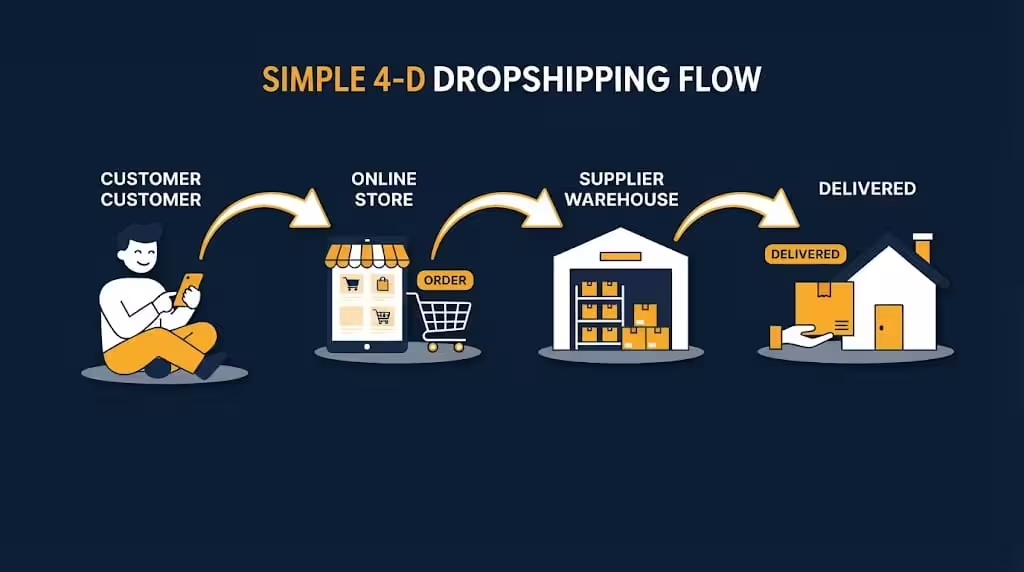
Dropshipping means you sell a product without buying it first and without keeping it in your home or shop.
It works like this.
- A customer sees your product and places an order.
- You send that order to your supplier.
- The supplier sends the product directly to the customer.
- You keep the difference between the selling price and the supplier price.
Example, in simple numbers. If you sell a product for 2,000 and the supplier price plus delivery is 1,400, your gross profit is 600, before tax and before any ad cost. If you also spent 200 on ads for that sale, your real profit is 400. Always count the full cost. Do not count only the selling price as profit.
This is why dropshipping is good for beginners. You do not need a big shop. You do not need to buy 100 pieces first. But it is not magic. You still need a good product, honest pictures, fair delivery time, and good replies to customers.
Step 1: Make a website, even if you have no experience
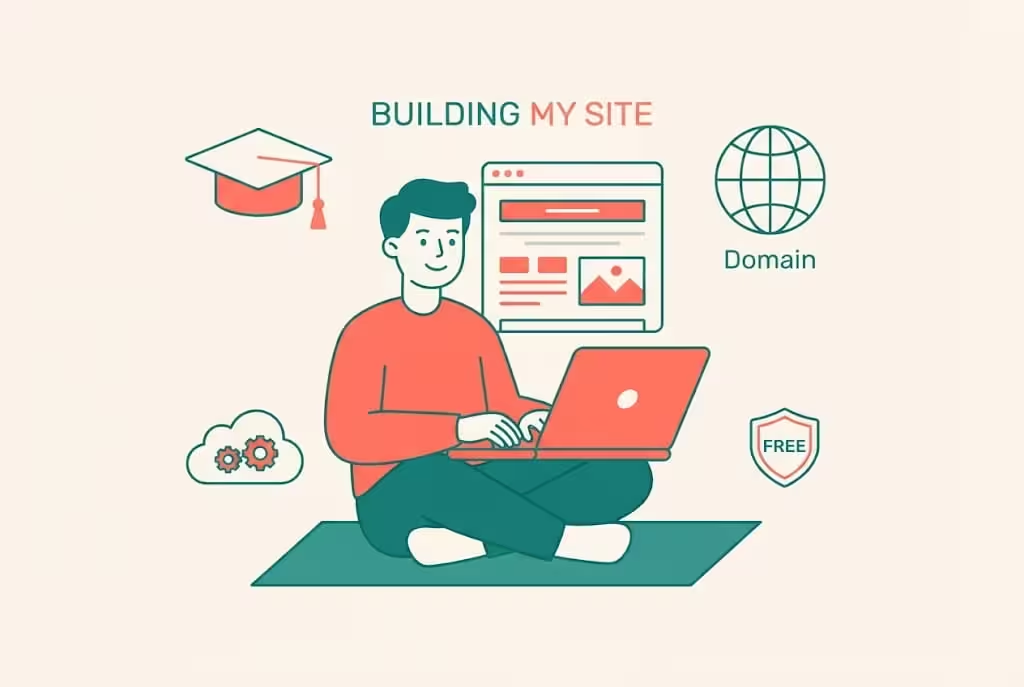
You have three simple ways to make a website: WordPress, Shopify, or AI.
If you have no experience with WordPress or Shopify, do not worry. You can continue with AI. AI can help you make pages, write product details, and fix simple mistakes. You still need to check everything yourself before you publish it.
Free ways for students
If you are a student, use these free options first.
First, Gemini. You can get its paid version free with your student card here: https://gemini.google/students/
Second, the GitHub Student Pack. You can find it here: https://education.github.com/pack
In this pack, you can get a free domain, hosting, AI tools, and other student offers. This is very useful at the start when you do not want to spend money.
If you are unable to get the student pack, there is another option. Hacktoberfest promos currently provide a free .tech domain. You can check it here: https://hacktoberfest.com/my/promos/
If you need hosting, you can also get it free from Vercel, Netlify, Cloudflare, and Google Firebase. Start free. Spend money only when you start getting sales.
If you are not a student
Still do not worry. Use DeepSeek. It is the best free alternate to paid models. It is very powerful, and you can use it to make a website, write product details, and plan your pages.
The main point is simple. Lack of money or lack of experience is not a reason to stop. Today, ChatGPT, Gemini, and DeepSeek are all available. Where you get stuck, AI can help you, and you can learn step by step.
Step 2: Pick one product, not ten products
Now assume you have a domain and hosting. The next step is research. This is the step most people skip, and then they wonder why they get no sales.
You have two clear options.
Option 1, if you have investment: you can make a universal website with many products and run ads. This can work, but it needs money for testing ads.
Option 2, if you want to continue without investment and you want to do SEO organically: work on a single product.
A single product helps you get results fast. It helps Google understand your website. It helps Google build trust in you. Your website can rank fast and get organic sales, without paying for every click.
So, if you have no budget, start with one product. Do it well. You can add more products later.
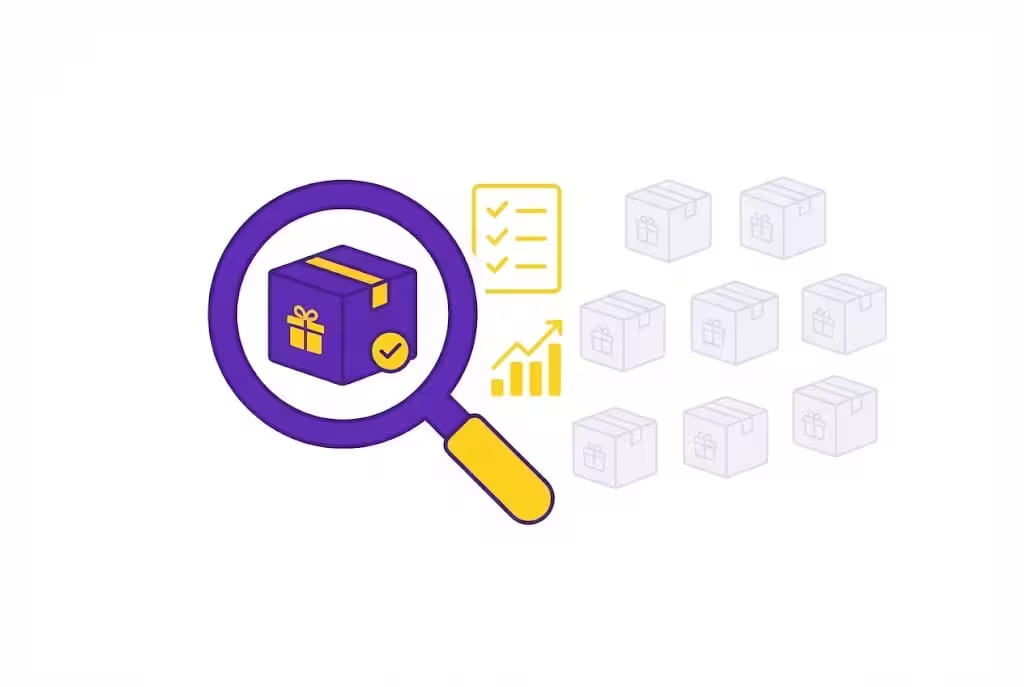
How to pick the right product
Pick a product that follows these rules.
- Competition is low.
- Keyword difficulty is low.
- You can arrange the product easily from a trusted supplier.
- It has good profit after delivery and ad cost.
- People actually search for it.
Find keywords for that product. Then remember this rule very carefully.
A good keyword is one where keyword difficulty is between 0 and 18, and in the top 10 results on Google, you find websites with domain authority between 0 and 20. If the top 10 results are all big, strong websites, do not pick that keyword at the start. Pick a smaller, easier fight that you can win.
Also check the product itself. Can the supplier deliver it on time? What happens if the customer wants a return? Is the quality good? Order a sample yourself if you can. A cheap product with bad quality will give you bad reviews, and bad reviews kill a new store.
Free and low cost tools for product and keyword research
Ahrefs is paid, but it gives two free tools that are useful: its traffic checker and its domain authority checker. Use those two for free.
Semrush is also paid, but it gives limited free tries per account. One practical solution that many beginners use is temp mail or a Gmail generator to create more accounts for free tries. You can use Temp Mail here: https://temp-mail.org/en/ and a Gmail generator here: https://mailmeteor.com/tools/gmail-generator
Use these extensions too. They are free and they help you check a website quickly.
- Keywords Everywhere
- Keyword Surfer
Both help you see search volume and related keywords while you search on Google. Do not pick a product only because you like it. Pick it because people search for it, competition is low, and profit is real.
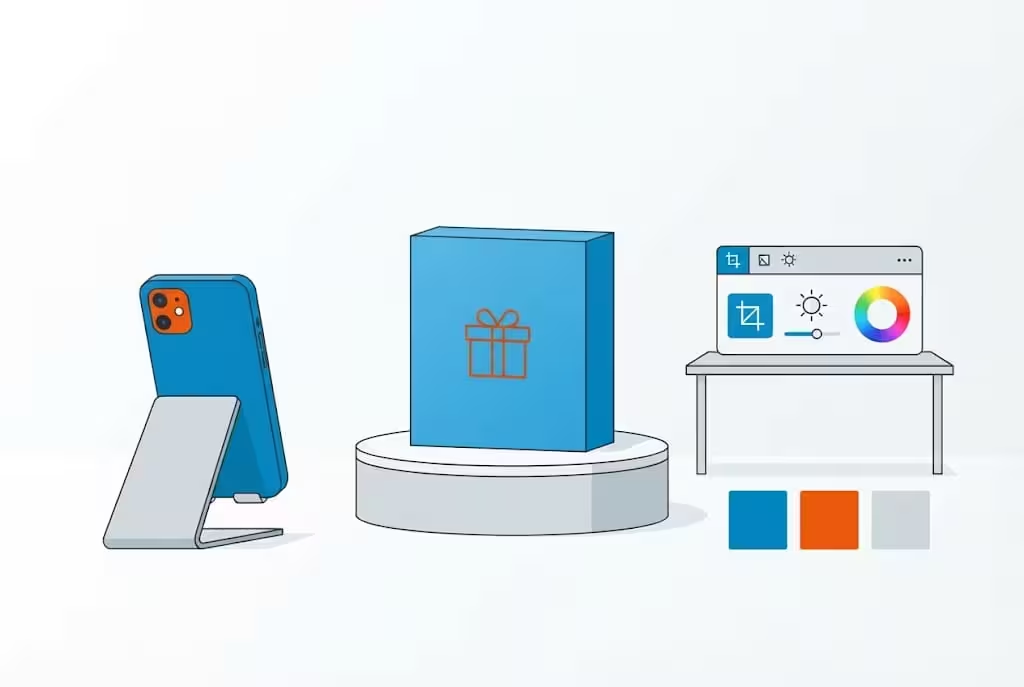
Step 3: Make good images for your product
Good pictures sell the product. Bad, blurry, copied pictures do not.
You can use ChatGPT for images. It gives 5 images per day on a free account. With the same Gmail generator and temp mail method, you can get more tries. Gemini is also free enough for most beginners. Canva is also free. Some Canva features are paid, but you do not need them at the start.
Use these tools to make clean, attractive images of your product. Show the product clearly. Show how it is used. Do not use fake claims in the image. Do not promise a result the product cannot give. Honest images build trust, and trust brings repeat buyers.
Step 4: Do SEO the right way for a shop, not like a blog
This is the secret most new sellers miss.
An ecommerce website is not a blog. In a blog, you write long articles. In a shop, most buyers do not read long articles. They search, they compare, and they buy.
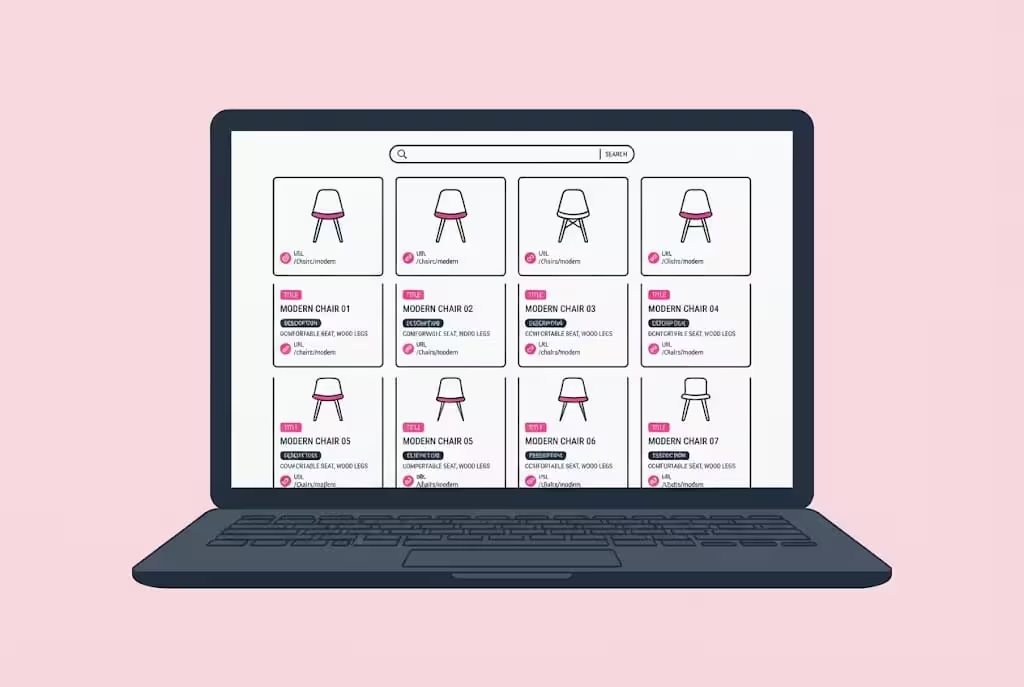
So, do SEO of your listing and category page. This is the secret.
Users search for a product by category, not by the exact product name. For example, a user may search for chair price in Lahore, not for a long brand model name. If your category page is strong, you can catch that search.
Here is what to do on your category page, step by step.
Write a high chance click title. Use the keyword naturally in it. Do not force it.
Write a meta description. Use the keyword naturally in it. Tell the reader clearly what they will get on the page.
Use the keyword in your H1 naturally. Your H1 should sound like a normal heading, not like a list of keywords.
Use a static URL. Use the keyword naturally in it. For example, a clean URL is better than a long URL full of numbers and symbols.
Focus on this strictly. Do not do keyword stuffing. Do not repeat the same keyword again and again in every line. Google does not like it, and readers do not like it either.
Make your website fast
Your website should load fast. Use compressed images. Use AVIF image format where you can, because it loads fast and keeps good quality. A slow website loses buyers. A fast website keeps them.
Add product schema
Now prepare page schema for each product. Schema is simple code that helps Google understand your product page. It tells Google the product name, price, availability, and other basic details. This can help your product look better in search results.
You do not need to learn code deeply at the start. Your website builder, WordPress plugin, or AI helper can help you add basic product schema. Just make sure each product page has it.
Step 5: Technical SEO, then wait and work with patience
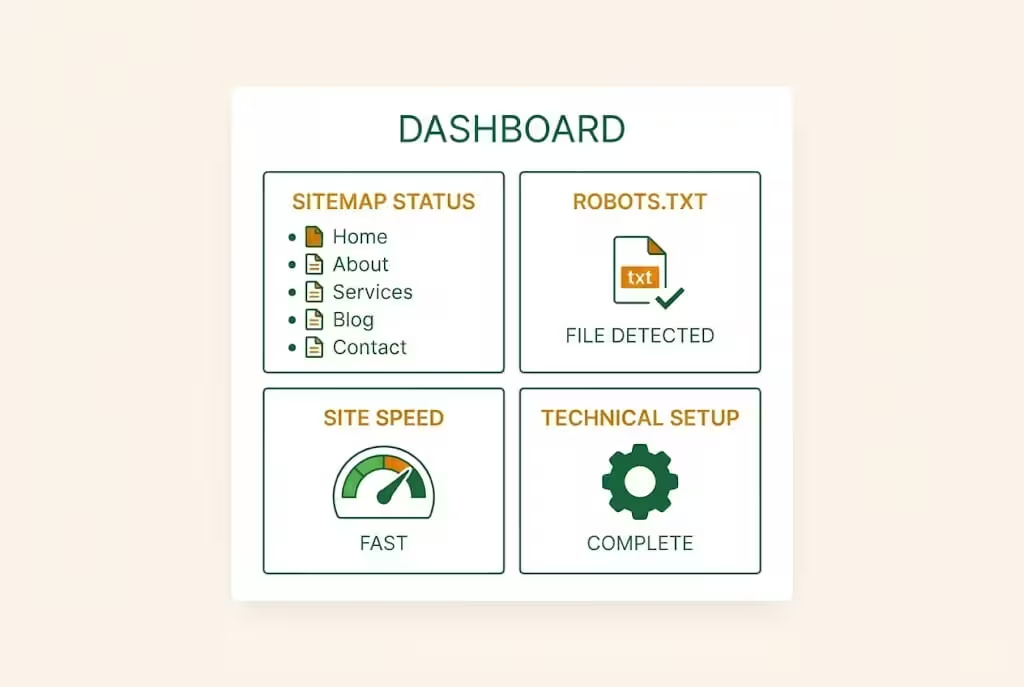
After your website is complete, do these technical steps.
- Make a robots.txt file. This file tells Google which pages it can visit.
- Make a sitemap.xml file. This file lists all your important pages.
- Submit the sitemap in Google Search Console.
After that, wait. Check your website regularly in Search Console. See which pages Google shows, which keywords bring clicks, and which pages need better titles or better pictures. Keep working. Fix small mistakes. Add better product details.
Patience is the biggest weapon in this business. SEO does not give sales on day one. It gives sales free of cost, but it takes time. Many people quit in week two. If you continue with patience and regular work, you have a real chance.
Step 6: Earn without a website, with social media
If you do not want a website at the start, you can still start. Social media is free.
Use these platforms.
- TikTok
- Snapchat Spotlight
Pick your selected product. Post about it regularly. Use Gemini, Canva, and ChatGPT to make attractive images of your product. Post them regularly on your social media platforms.
This is also free of cost. If you work properly, post regularly, reply to comments, and stay honest about price and delivery, you can get sales from social media too.
In Pakistan, you can also start with reselling apps like Markaz. You do not need stock. You share a product link, a customer orders, Markaz handles delivery and cash on delivery, and you keep your profit. This is a good no website start for many beginners in Pakistan. You can find Markaz in the platform table below.
A simple daily rule for social media is this. One good post is better than five rushed posts. Show the product, show the benefit, show the price clearly, and tell people how to order. Do not copy other sellers blindly. Make your own simple style.
Step 7: Paid ways, when you have investment
Free methods take time. Paid methods are faster, but they need investment and careful testing.
The three main paid ways are:
- Meta Ads, for Facebook and Instagram
- Google Ads, for people who are already searching on Google
- TikTok Ads, for short video buyers
Start small. Test one product and one simple ad. Do not spend all your money on day one. Track one number clearly: how much did you spend, and how much profit did you make after product cost and delivery? If an ad gives clicks but no profit, stop it and change the product, the picture, or the audience. Paid ads do not fix a bad product. They only show a good product to more people, faster.
Dropshipping and affiliate platforms table
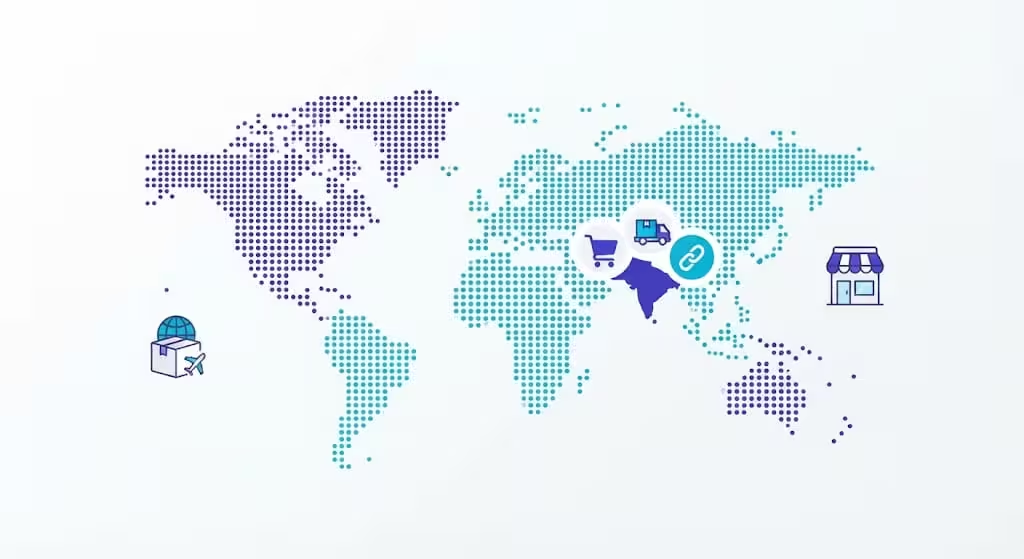
Before the table, understand one difference, because the table mixes two kinds of earning.
Affiliate platforms pay you a commission when someone buys through your link. You do not handle delivery.
Dropshipping suppliers and tools let you sell the product yourself. You set the price, you take the order, and the supplier ships it. This is not affiliate commission. You keep the price difference.
Print on demand is also different. You design a product, like a shirt or mug, and it is printed only after a customer orders it.
Read the table with that difference in mind. Availability can change, so always check the platform rules before you join. A star means joining or approval may be needed.
| Platform | Type | Pakistan | India | Available in both? | Works everywhere? |
|---|---|---|---|---|---|
| Amazon Associates | Marketplace affiliate | Yes* | Yes | Yes | Yes, audience is global but store is by country |
| AliExpress Affiliate | Marketplace affiliate | Yes | Yes | Yes | Yes |
| eBay Partner Network | Marketplace affiliate | Yes | Yes | Yes | Yes |
| Temu Affiliate | Marketplace affiliate | Yes | Partial* | No, local only in Pakistan | Partial, 70 plus regions |
| SHEIN Affiliate | Fashion affiliate | Yes | Yes | Yes | Yes |
| DHgate Affiliate | Marketplace affiliate | Yes | Yes | Yes | Yes |
| Banggood Affiliate | Electronics affiliate | Yes | Yes | Yes | Yes |
| Geekbuying Affiliate | Electronics affiliate | Yes | Yes | Yes | Yes |
| LightInTheBox Affiliate | Marketplace affiliate | Yes | Yes | Yes | Yes |
| Walmart Affiliate via Impact | US brand affiliate | Yes* | Yes* | Yes, join only | No, buyers must be in US |
| Target Affiliate via Impact | US brand affiliate | Yes* | Yes* | Yes, join only | No, buyers must be in US |
| CJ Affiliate | Affiliate network | Yes* | Yes | Yes | Yes, but merchant by merchant |
| ShareASale | Affiliate network | Yes | Yes | Yes | Yes |
| Impact | Affiliate network | Yes | Yes | Yes | Yes |
| Rakuten Advertising | Affiliate network | Yes | Yes | Yes | Yes, mainly US, UK, EU brands |
| Awin | Affiliate network | Yes* | Yes | Yes | Yes, mainly UK and EU brands |
| ClickBank | Digital network | Yes* | Yes | Yes | Yes |
| Digistore24 | Digital network | Yes | Yes | Yes | Yes |
| FlexOffers | Affiliate network | Yes | Yes | Yes | Yes, mainly US brands |
| PartnerStack | SaaS network | Yes | Yes | Yes | Yes |
| MaxBounty | CPA network | Yes* | Yes | Yes | Yes, strict approval |
| Hostinger Affiliate | SaaS direct | Yes | Yes | Yes | Yes |
| Bluehost, Semrush, Ahrefs | SaaS direct | Yes | Yes | Yes | Yes |
| DSers plus AliExpress | Dropshipping supplier | Yes | Yes | Yes | Yes, not affiliate commission |
| CJ Dropshipping | Dropshipping supplier | Yes | Yes | Yes | Yes, not affiliate commission |
| Zendrop | Dropshipping supplier | Yes | Yes | Yes | Yes, not affiliate commission |
| AutoDS | Dropshipping tool | Yes | Yes | Yes | Yes, not affiliate commission |
| Spocket | Dropshipping supplier | Yes | Yes | Yes | Yes, mainly US and EU suppliers |
| Printify, Printful | Print on demand | Yes | Yes | Yes | Yes |
| Flipkart Affiliate | Local marketplace | No | Yes | No | No, India only |
| Daraz Affiliate | Local marketplace | Yes | No | No | No, Pakistan only |
| Markaz | Local reselling and dropshipping app | Yes | No | No | No, Pakistan only |
If you are in Pakistan and you want the easiest no stock start, Markaz and Daraz are the closest local options. If you want a global audience, AliExpress, CJ Dropshipping, and Zendrop are more useful. Pick one lane first. Do not join twenty platforms on day one and use none of them well.
Common mistakes that kill a new dropshipping store
Avoid these mistakes, even if other sellers do them.
- Picking a product only because it looks viral, without checking profit and delivery time.
- Copying supplier pictures and descriptions without checking quality.
- Promising fast delivery when the supplier needs two or three weeks.
- Hiding the return policy, or having no contact page.
- Doing keyword stuffing on category pages.
- Spending all ad money before testing one product properly.
- Quitting after one week because SEO did not bring sales yet.
A simple trust checklist for your website helps a lot. Add a clear contact page, a return and refund policy, a delivery time note on each product, and a WhatsApp or contact option where buyers can ask a question. Trust is your real asset at the start.
Your first 30 days, in simple form
Week 1: Build a fast, simple website or a clean social media page. Pick one product. Check its keywords, competition, and profit.
Week 2: Add good images, clear product details, category page SEO, product schema, robots.txt, and sitemap. Submit the sitemap in Google Search Console.
Week 3: Post regularly on social media. Share the product honestly. Reply to every serious question. Note which post gets the most saves, shares, and orders.
Week 4: Check Search Console. Fix weak titles. Improve slow pages. If you have a small ad budget, test one ad carefully. If you have no budget, continue SEO and social media with patience.
This 30 day plan will not make you rich in 30 days. It will give you a real base. Most beginners fail because they have no plan, not because dropshipping does not work.
Final words: patience, belief, and consistency
Patience is the main thing in any business. Believe in yourself. A human can do everything. The only thing a human cannot do is the thing he decides he cannot do.
So, start building today. Do not wait for the perfect time, the perfect product, or the perfect website. Today, ChatGPT, Gemini, and all these resources are available. Where you get stuck, AI can help you. Start freely. Be confident. Be patient. Be consistent.
Consistency is the key to success.
Frequently asked questions
Do I need money to start dropshipping?
No, not always. You can start free with a student domain and hosting, free AI tools, SEO, and social media. Money helps you test paid ads faster, but it is not required to start.
Can I do dropshipping without a website?
Yes. You can sell on Facebook, Instagram, TikTok, and Snapchat Spotlight. In Pakistan, you can also resell through Markaz without stock. A website helps with Google traffic and trust, but social media is a real start.
How long does it take to get the first sale?
It depends on your product, price, pictures, and how regularly you post. Social media can bring a faster first order. SEO takes more time, but it can bring free sales later. Do not expect a fixed date. Focus on daily work and honest offers.
Is dropshipping legal?
Yes, selling real products through a real supplier is legal, but you must follow platform rules, tax rules in your country, and honest advertising rules. Do not sell fake branded copies, and do not make false claims about a product.
Which platform is best for beginners in Pakistan?
For a no stock local start, Markaz and Daraz are easy to understand. For a website store with global suppliers, AliExpress with DSers, or CJ Dropshipping, are common beginner options. Pick one, learn it well, then expand.
What is the biggest mistake in dropshipping SEO?
Doing keyword stuffing, and writing long blog style content on shop pages instead of strong category pages. Buyers search by category. Make the category page clear, fast, and useful.
Earnings disclaimer
This guide shares experience and general steps. It is not a promise of income. Your earnings depend on your product, supplier, price, delivery, ad cost, effort, and market conditions. All profit examples in this guide are before tax. Do your own checks before you spend money on ads or stock.
Share this article
Link copied to clipboard!