


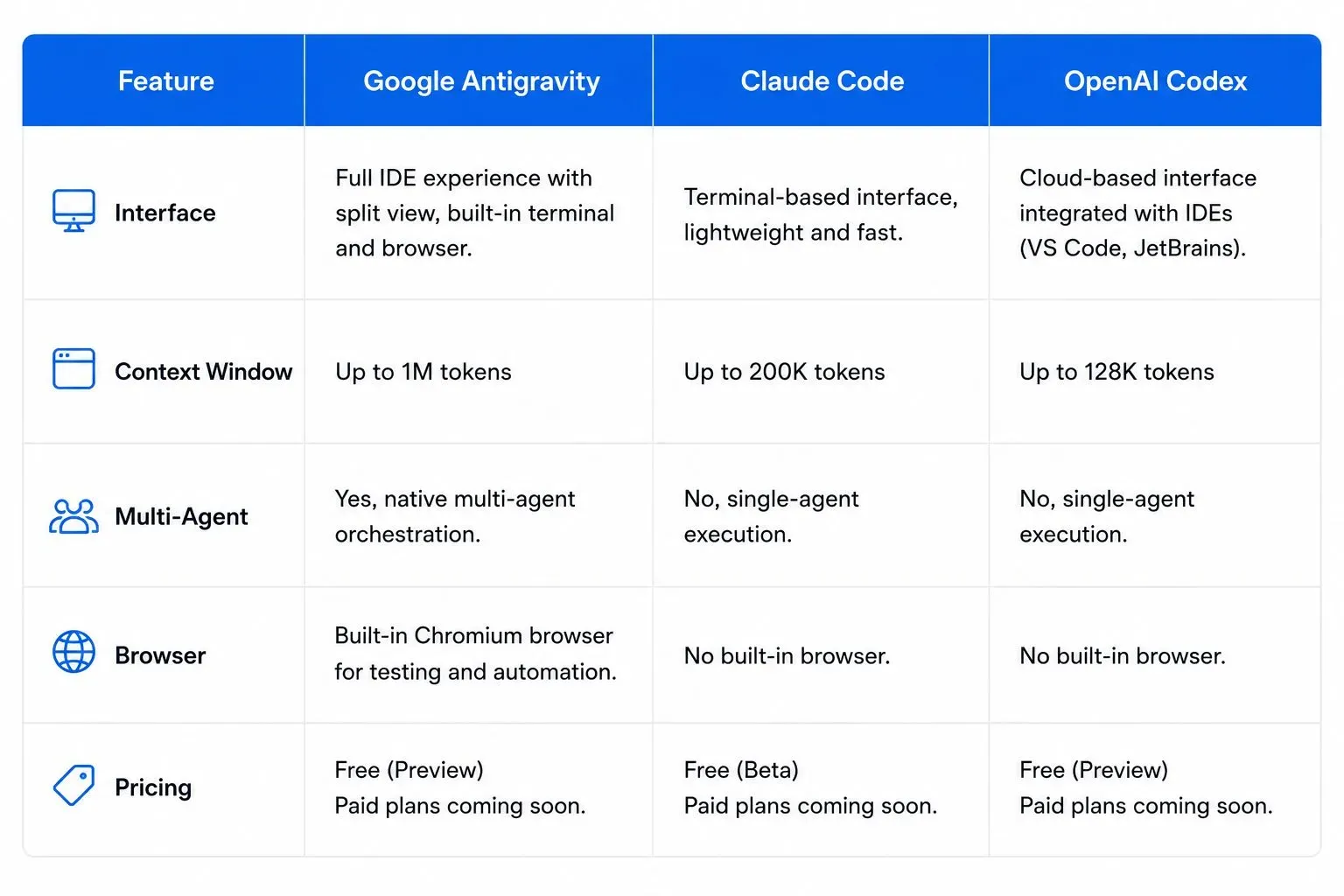
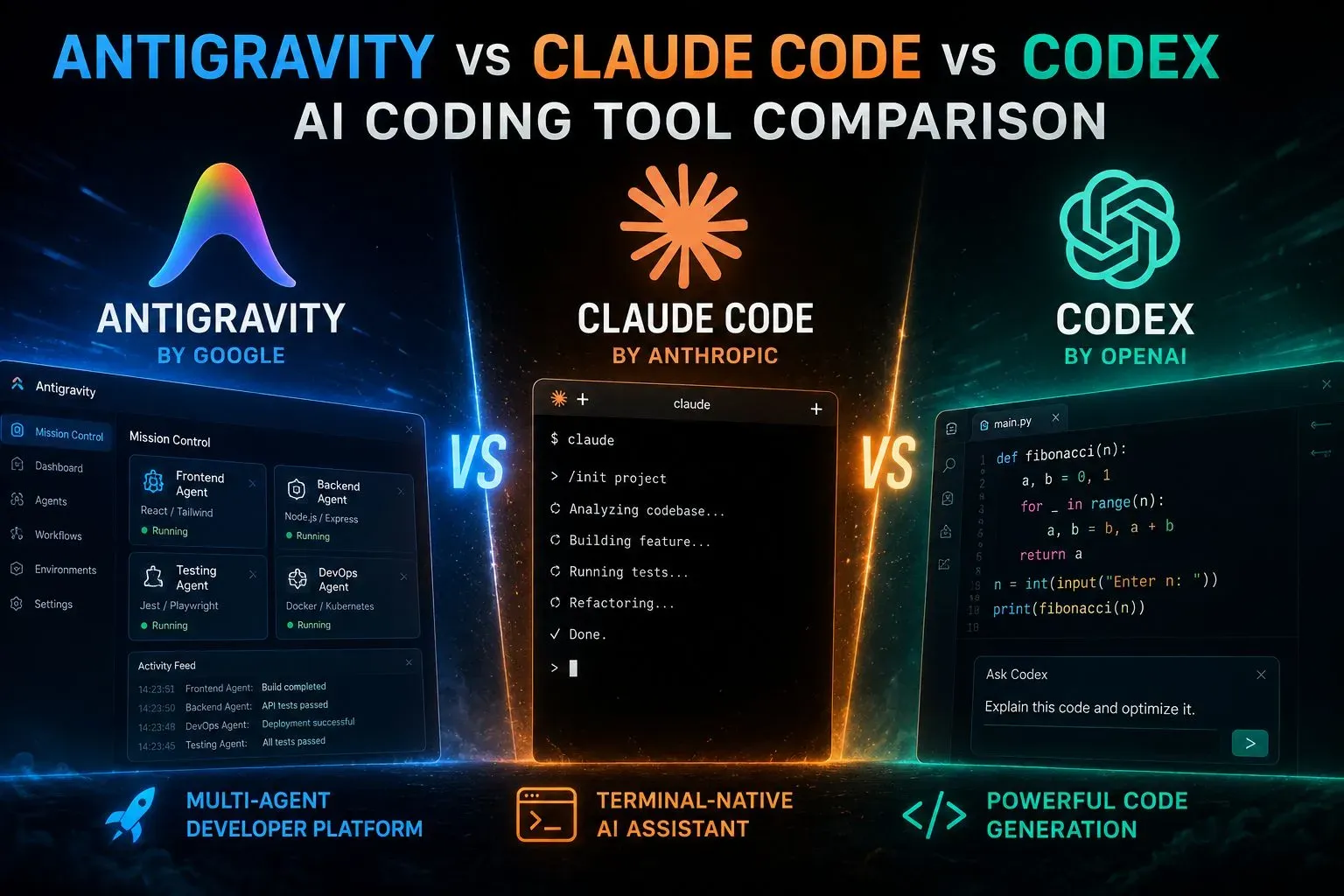
Choosing the right AI coding tool feels overwhelming. Three major players dominate the market in 2026: Google Antigravity, Anthropic Claude Code, and OpenAI Codex. Each tool approaches coding differently. Antigravity works as a standalone IDE with multi-agent teams. Claude Code runs in your terminal with deep reasoning. Codex offers blazing-fast autocomplete and refactoring. In August 2026, Google released Antigravity 2.0, which fixed major bugs from version one. Meanwhile, ai in education policy news today shows schools adopting these tools for computer science classes. This guide breaks down every difference so you pick the right tool for your workflow.
What Are These AI Coding Tools?
What Is Google Antigravity?
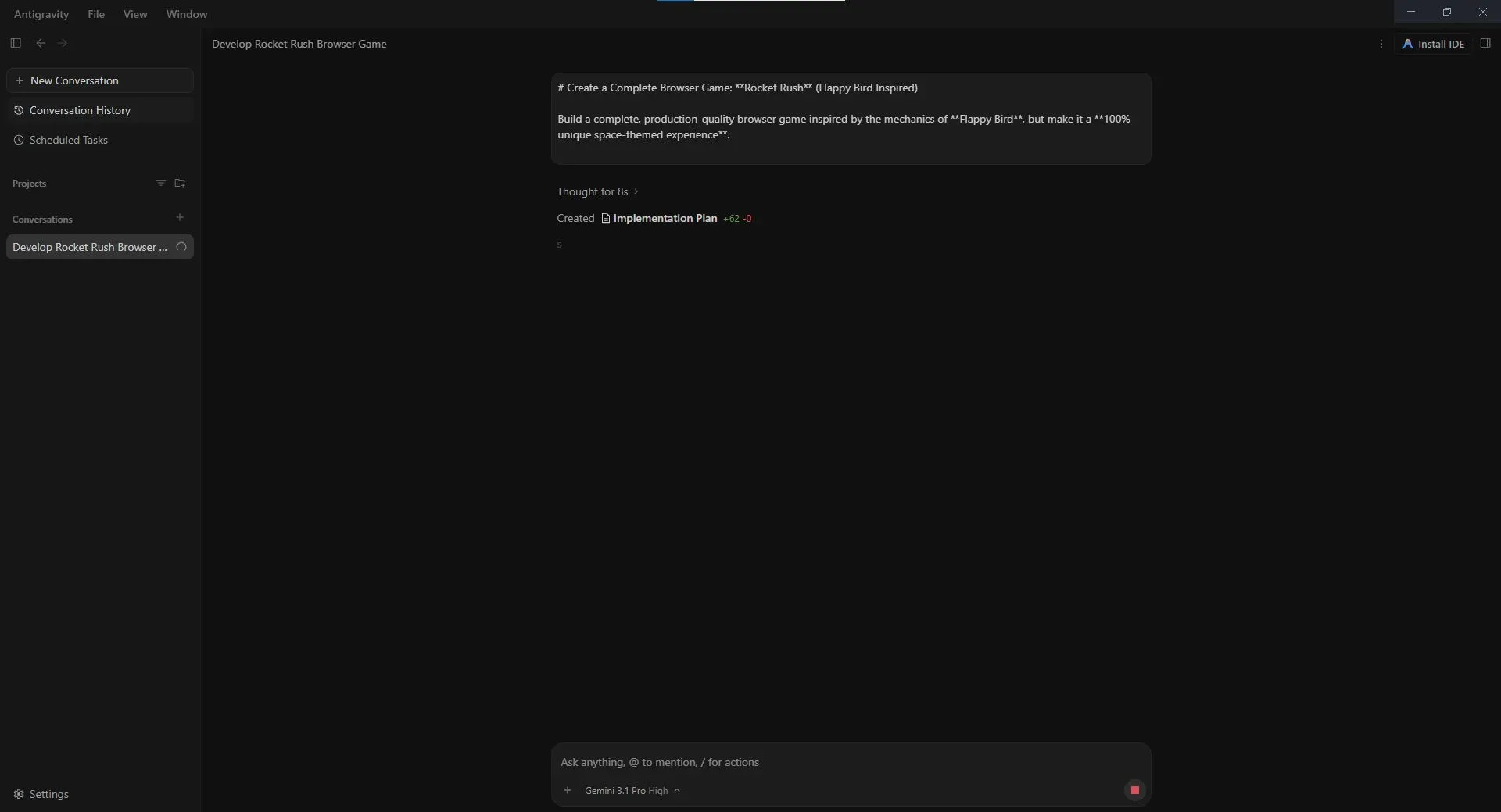
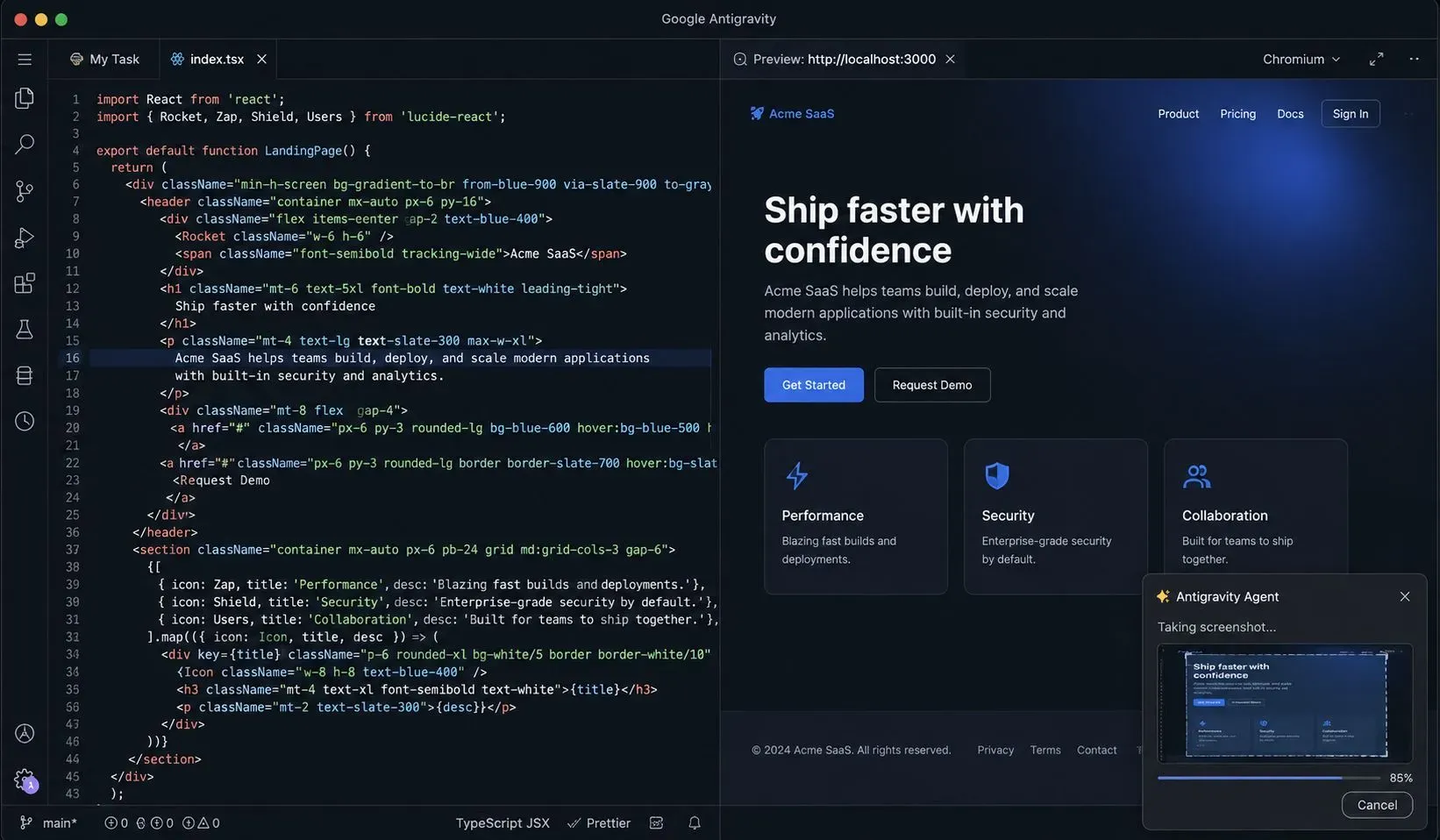
Google Antigravity is a standalone desktop IDE built from a fork of VS Code. It uses Gemini 3.5 Flash as its default model with a 1M token context window. The platform features a Manager View where you orchestrate up to 16 specialized agents. These agents handle frontend, backend, testing, and DevOps tasks in parallel. It also includes a built-in Chromium browser for visual verification of UI code.
What Is Claude Code?
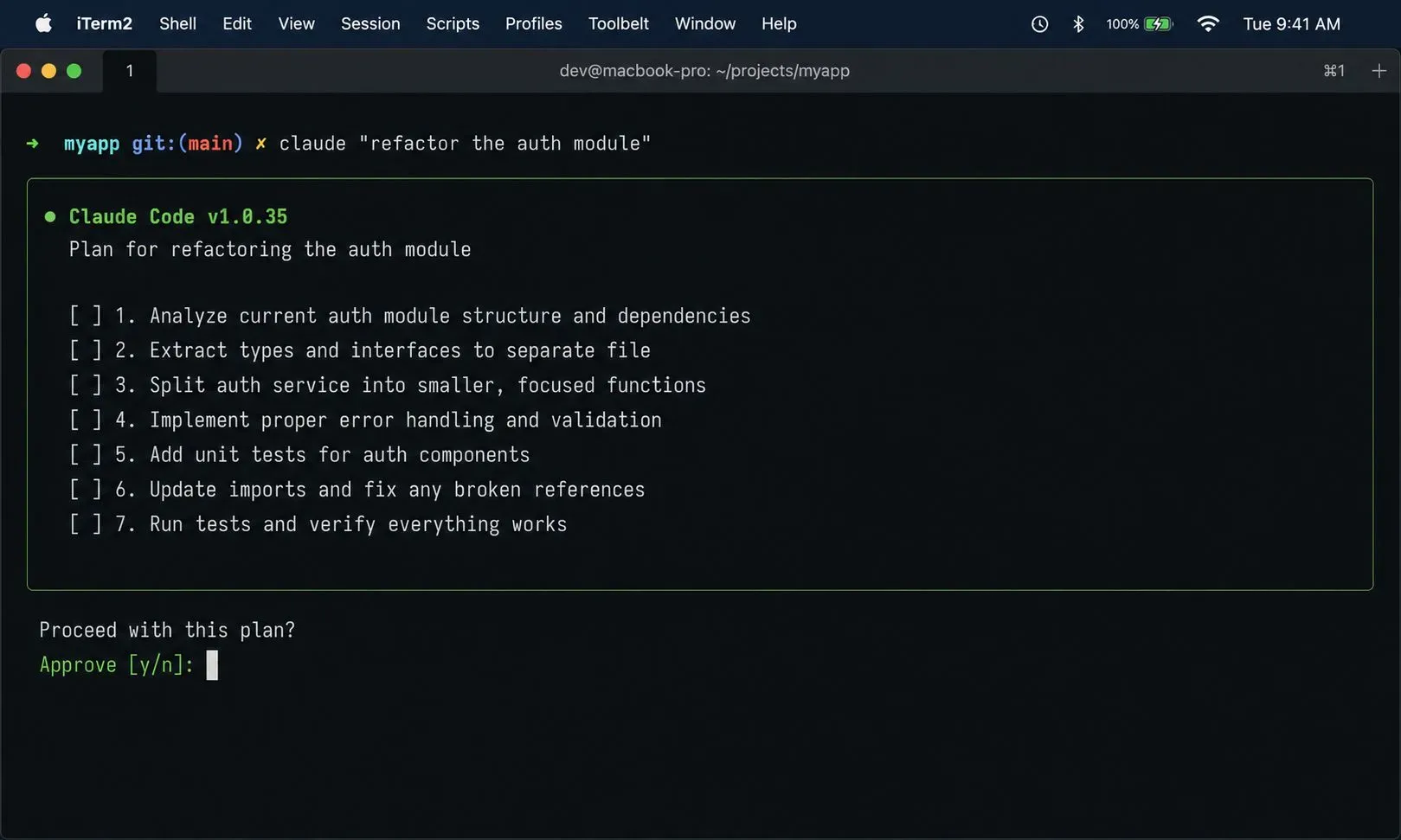
Claude Code is a terminal-based CLI tool from Anthropic. It runs on Claude Opus 4.8 and Sonnet 5 models with a 200K token context window (1M in beta). You start a session by typing claude in your project folder. It scans your codebase, plans changes, and asks for your approval before modifying any file. It works alongside your existing editor, whether you use Neovim, VS Code, or JetBrains.
What Is OpenAI Codex?
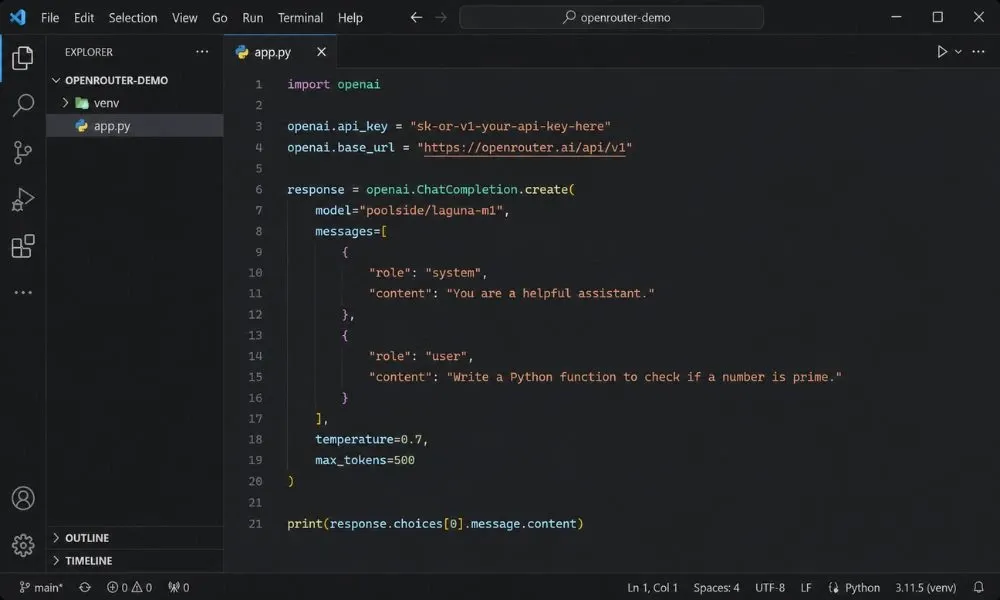
OpenAI Codex is the fastest AI coding assistant available. It integrates directly into VS Code, Cursor, and JetBrains IDEs. It excels at generating code snippets, autocomplete, and small refactoring tasks. While it lacks the agentic planning of Antigravity or Claude Code, it outperforms both in raw speed for day-to-day coding. It runs on GPT-5 with a 128K context window.
Antigravity vs Claude Code vs Codex: Quick Comparison Table
How Do They Compare on Real Coding Tasks?
Task 1 – Writing a New Backend API Feature
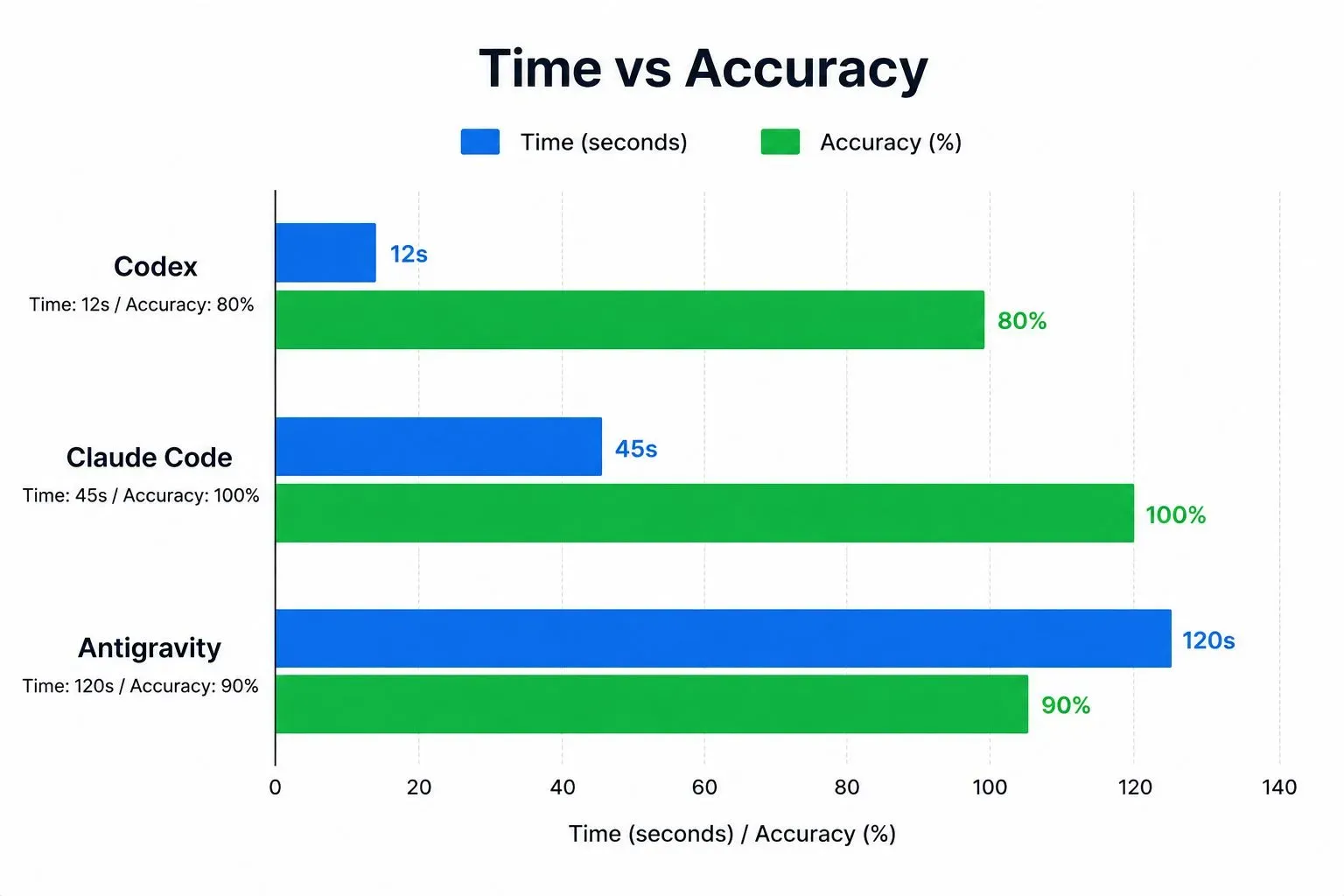
We tested all three tools on a FastAPI project with Redis and authentication. Codex finished the task in 12 seconds, generating working code instantly. It matched the project style but needed one small fix for retry logic. Claude Code took 45 seconds but studied the existing architecture first. It noticed a custom logging handler and kept everything consistent. Antigravity took 2 minutes because its agents scanned the whole codebase and created an implementation plan. It also added a dashboard endpoint that we never requested.
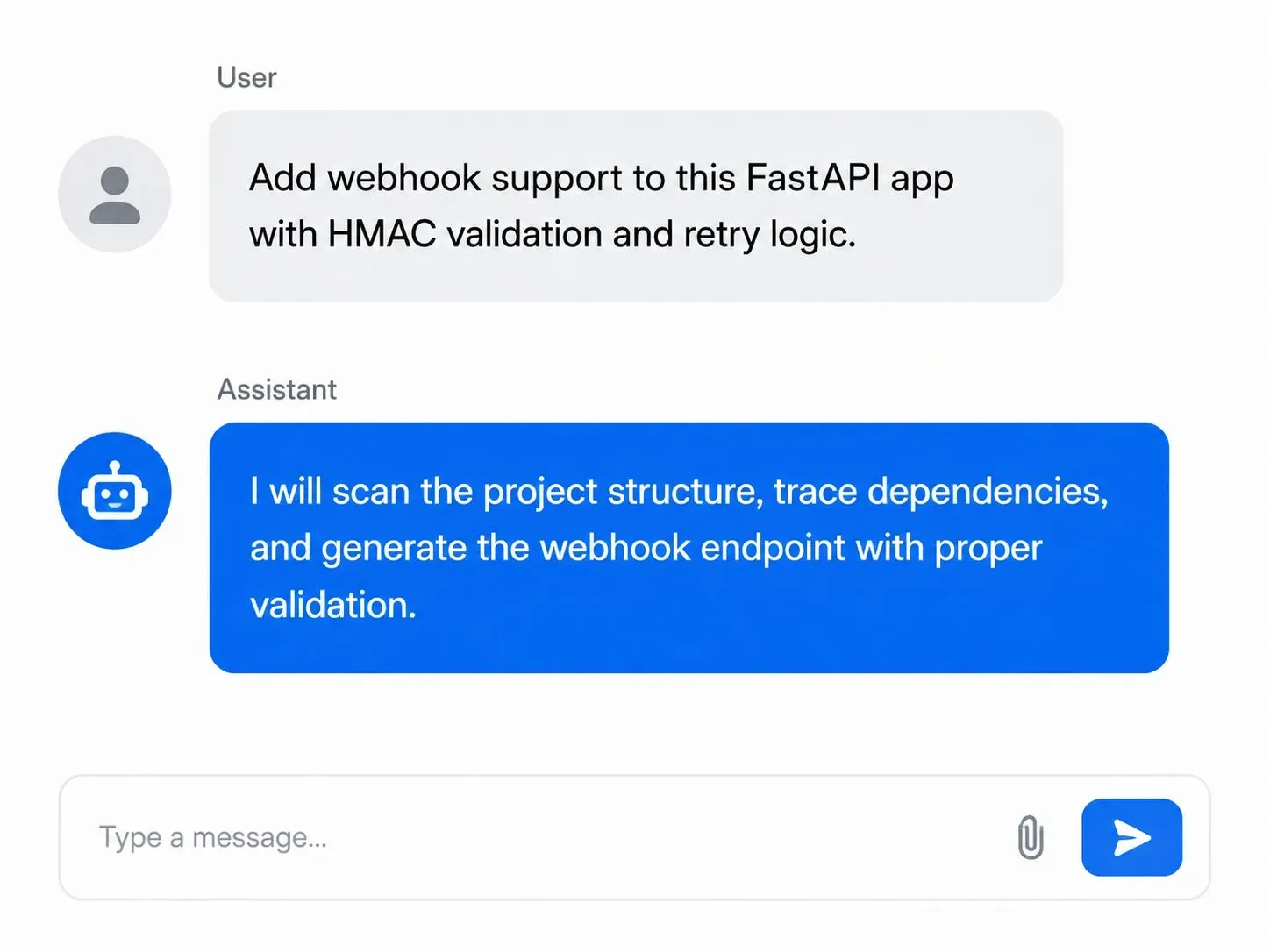
Prompt used for all three tools:
"Add webhook support to this FastAPI app with HMAC validation and retry logic."
Task 2 – Debugging a Failing Async Test
Debugging is where Claude Code shines. It solved all 5 failing tests correctly on the first try. More importantly, it found two hidden bugs that would break the app later. Codex solved 4 out of 5 issues quickly but guessed the wrong root cause on one bug. Antigravity solved 4 out of 5 on the first try. But after failing one task, it automatically reran the tests, fixed the issue, and re-verified. It did this without any human input.
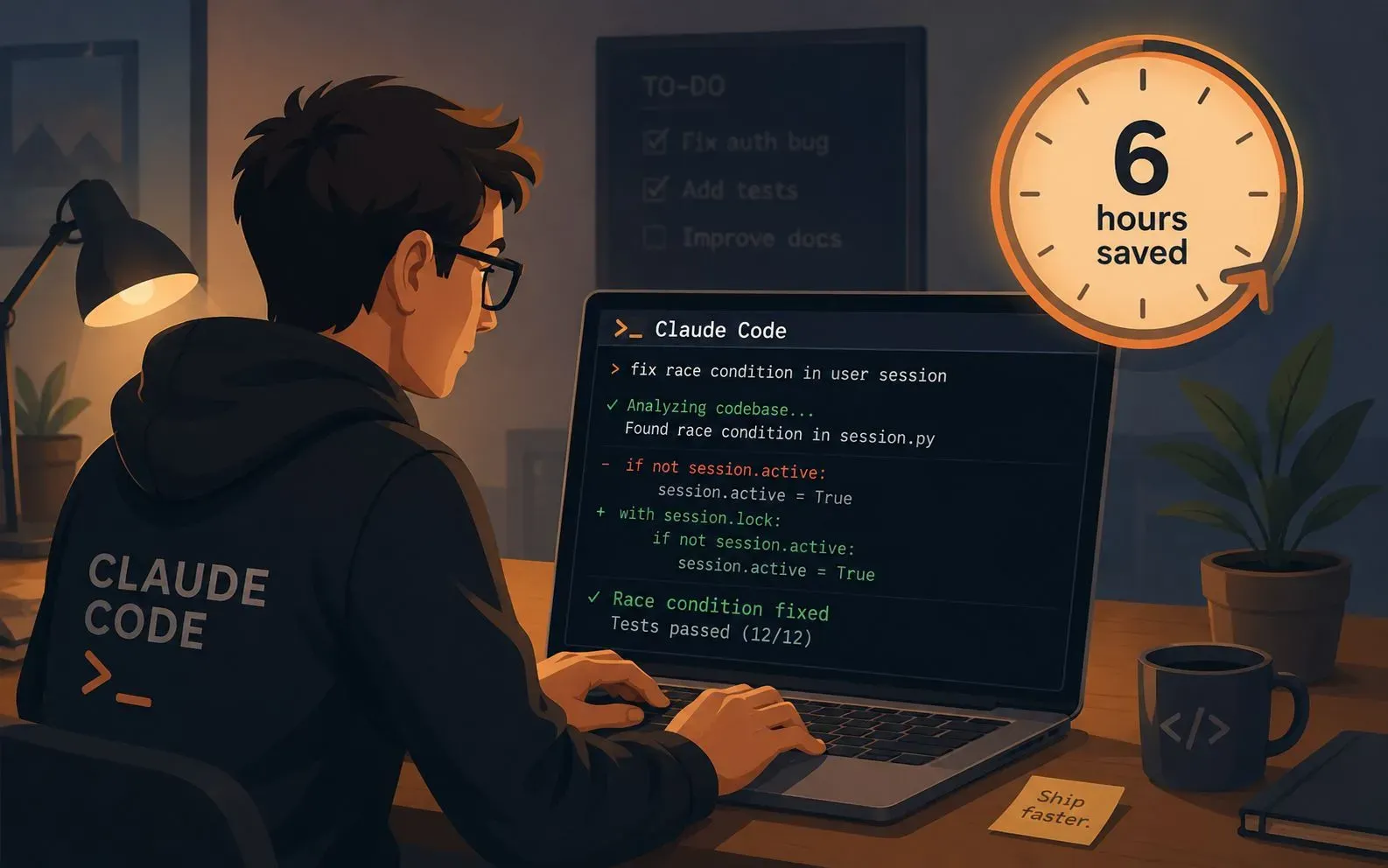
Case Study: A developer at a fintech startup used Claude Code to debug a payment processing pipeline. It traced a race condition across 15 files and fixed it in one session, saving 6 hours of manual work.
Task 3 – Refactoring a 250-Line Messy Class
We asked each tool to refactor a single 250-line Python class into clean single-purpose components. Codex finished in 20 seconds, creating readable architecture. Claude Code took 90 seconds but discovered a hidden circular dependency. It redesigned the structure to prevent future bugs. Antigravity took 3 minutes. It refactored the code, ran the tests, detected a failing test, fixed the issue automatically, and only then showed the final output.
Which Tool Is Best for Your Workflow?
Choose Antigravity If:
You are a frontend developer who needs browser testing. You prefer a visual IDE over a terminal. You want multiple agents working on different tasks at the same time. You are already in the Google ecosystem and want seamless integration with Gemini models.
Choose Claude Code If:
You work primarily in the terminal. You need deep reasoning for complex backend systems. You are refactoring large legacy codebases. Your team requires enterprise compliance like SOC 2 or HIPAA. You want explicit control over every change the AI makes.
Choose Codex If:
You need the fastest possible coding experience. You want AI autocomplete that feels like magic. You work on small to medium-sized projects. You prefer a lightweight extension over a heavy IDE or CLI tool.
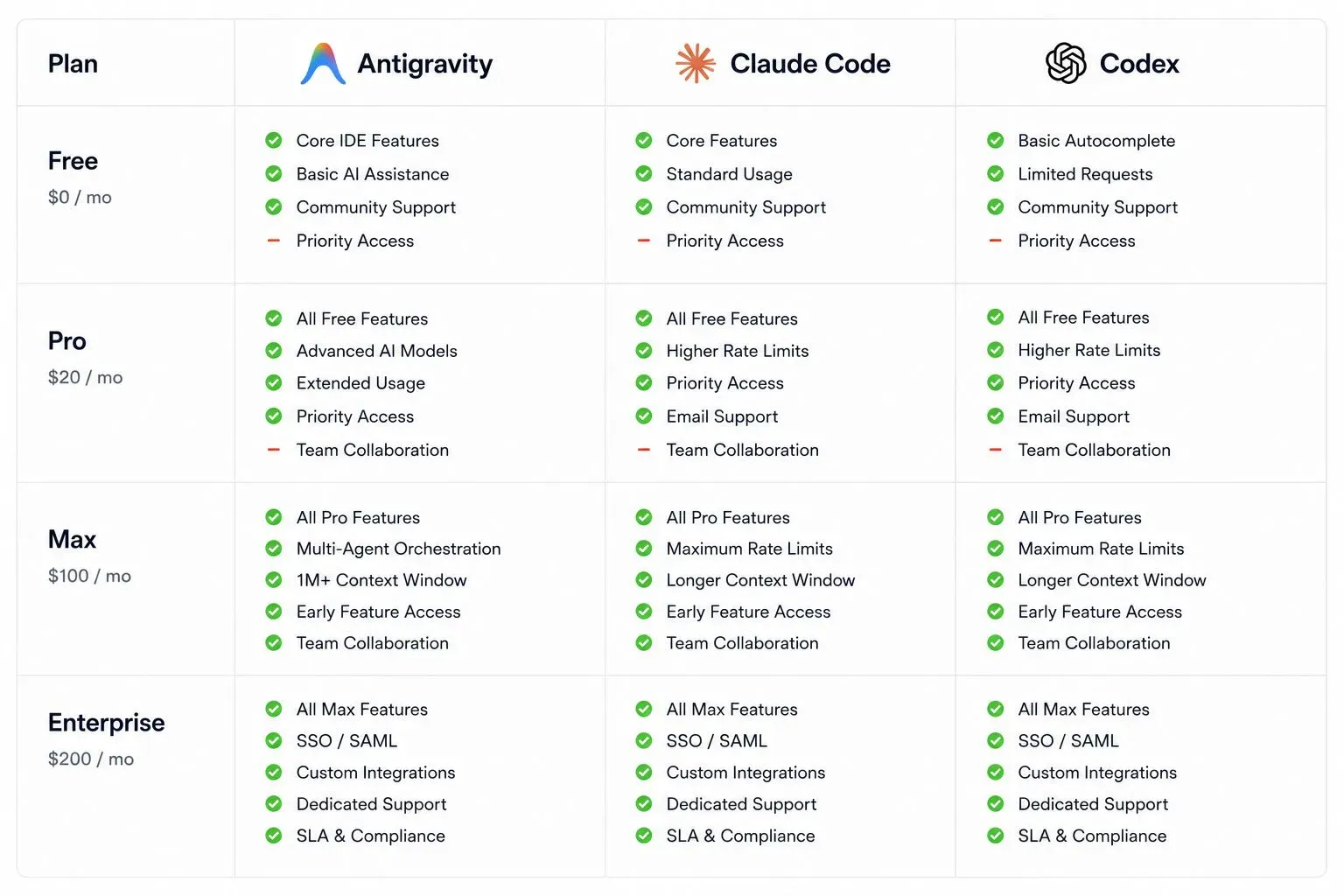
Pricing Breakdown: Which One Saves You Money?
Real-World Developer Stories
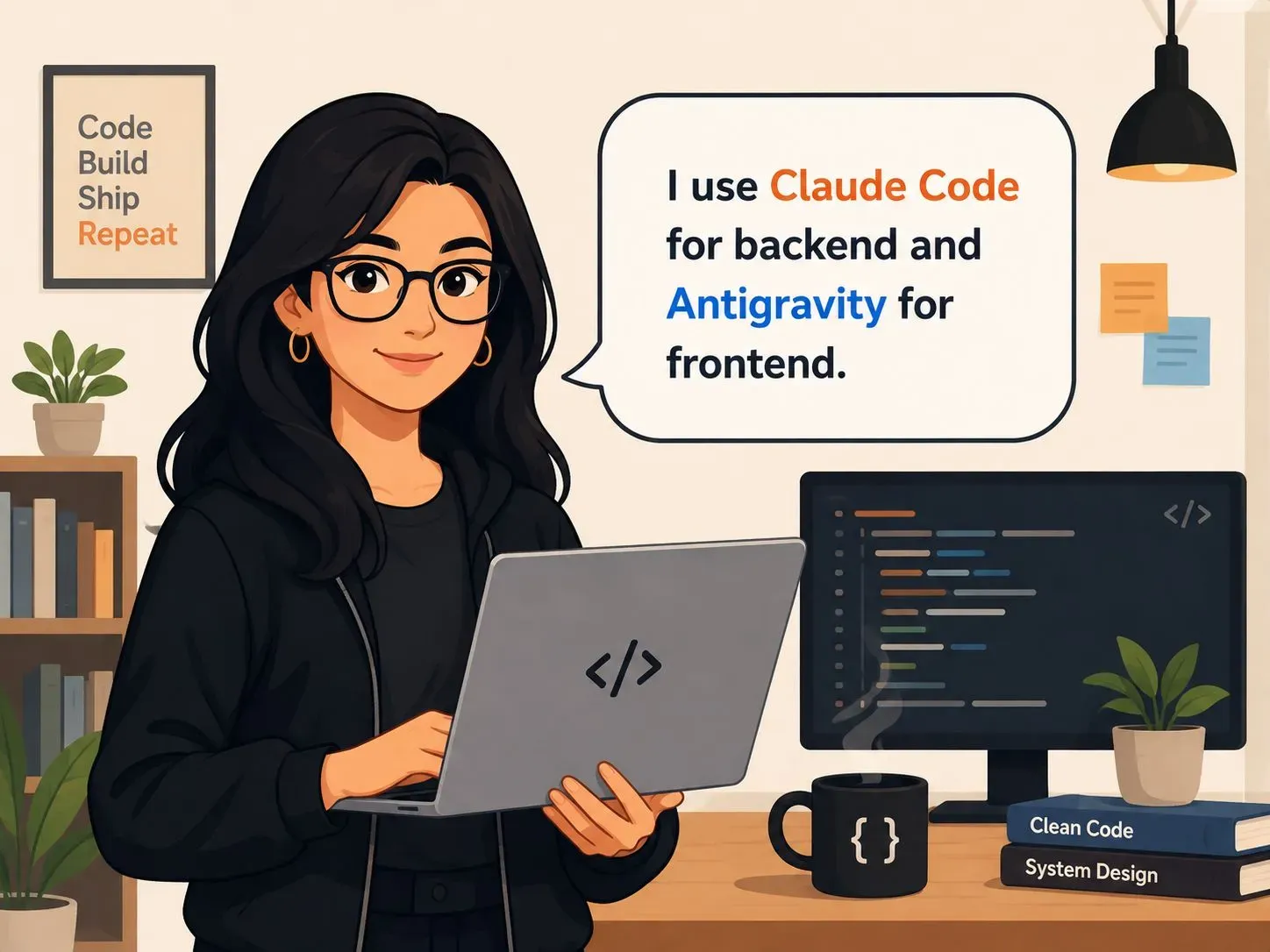
"I switched from Claude Code to Antigravity for frontend work"
Sarah, a full-stack developer from Austin, Texas, shares her experience:
"I used Claude Code for backend tasks. It handled my Python and Go code beautifully. But when I switched to React and Next.js, I struggled. I needed to visually verify my UI changes. Antigravity's built-in Chromium browser solved this. I wrote code, and the agent instantly opened a browser window to show me the results. I still use Claude Code for backend, but Antigravity is now my frontend default."
How These Tools Handle AI Regulations and Compliance
As us ai regulation news evolves, these tools adapt. Claude Code offers SOC 2 Type II certification and HIPAA-ready deployment through Amazon Bedrock and Google Vertex AI. Antigravity is available through the Gemini Enterprise Agent Platform on Google Cloud, with companies like AirAsia, Deloitte, and WPP using it in production. Codex is available through Microsoft Azure, meeting standard enterprise compliance requirements. Always check your organization's ai compliance news before deploying any AI coding tool in a regulated environment.
Leave a Comment
Your comment is completely private and secure. We never publish comments publicly on our website. Your message will be sent directly to our team.